

Comprehensive Water Damage Restoration Explained: Essential Water Damage Recovery Steps
Water damage can strike unexpectedly. Whether from a burst pipe, heavy rain, or a faulty appliance, it can cause serious harm to your property. Understanding the water damage recovery steps is crucial to minimize damage and restore your home or business quickly. In this post, I will walk you through the entire process in simple, clear terms. You will learn what to expect and how to act fast to protect your property.
Understanding Water Damage and Its Impact
Water damage is more than just wet floors or walls. It can affect the structure, electrical systems, and even your health. Water seeps into materials like drywall, wood, and insulation, causing them to weaken or rot. Mold can start growing within 24 to 48 hours, creating health risks and further damage.
There are different types of water damage:
Clean water: From a broken pipe or rainwater. It is the least harmful but still needs quick attention.
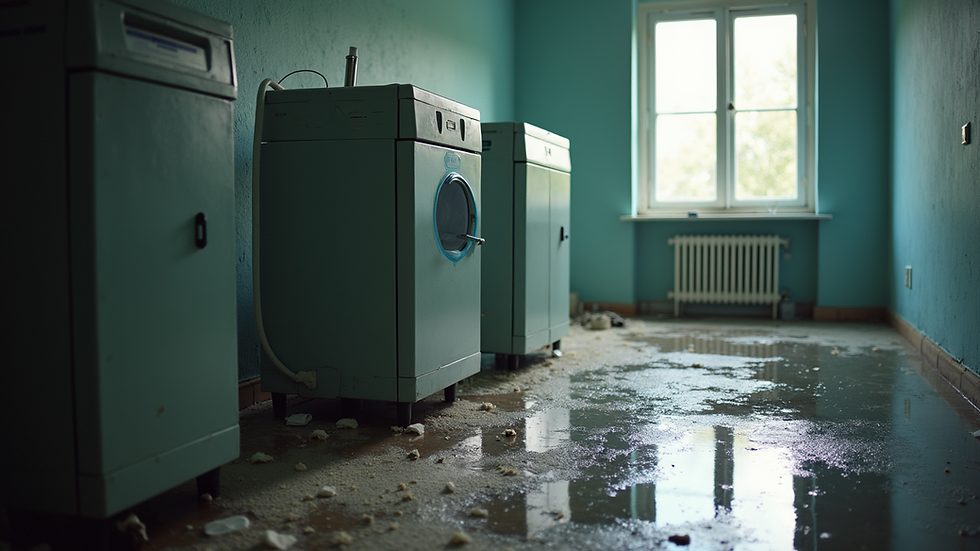
Grey water: From appliances like washing machines or dishwashers. It may contain contaminants.
Black water: From sewage or floodwaters. This is highly dangerous and requires professional cleanup.
Knowing the type of water damage helps determine the right recovery steps. Acting quickly can save you money and stress.
Key Water Damage Recovery Steps You Should Know
When water damage happens, you need a clear plan. Here are the essential water damage recovery steps to follow:
Ensure Safety First
Turn off electricity and gas if water is near outlets or appliances. Avoid walking through standing water if possible.
Stop the Water Source
Fix the leak or shut off the main water supply to prevent more water from entering.
Remove Excess Water
Use mops, buckets, or a wet/dry vacuum to remove standing water. The faster you remove water, the less damage occurs.
Dry the Area Thoroughly
Use fans, dehumidifiers, and open windows to speed up drying. This step is critical to prevent mold growth.
Clean and Disinfect
Clean all surfaces with appropriate cleaners. Disinfect to kill bacteria, especially if the water was grey or black.
Inspect for Damage
Check walls, floors, and furniture for signs of damage. Some materials may need to be replaced.
Repair and Restore
Replace damaged drywall, flooring, or insulation. Restore your property to its original condition.
Following these steps carefully can help you recover from water damage effectively.
Can Water Damage Be Repaired?
Yes, water damage can often be repaired, but the success depends on how quickly you act and the extent of the damage. Minor water damage like small leaks or spills can be fixed with simple drying and cleaning. However, severe damage from flooding or prolonged exposure requires professional help.
Here are some factors that affect repairability:
Time elapsed: The longer water sits, the worse the damage.
Type of water: Clean water damage is easier to fix than black water damage.
Materials affected: Porous materials like drywall and carpet may need replacement.
Mold presence: Mold can complicate repairs and requires specialized treatment.
If you catch water damage early, you can often save your floors, walls, and belongings. If you notice warping, discoloration, or a musty smell, it’s time to act fast.
Why Professional Water Damage Restoration Matters
While some water damage can be handled on your own, professional water damage restoration services provide expertise and equipment that make a big difference. Professionals can:
Assess the full extent of damage, including hidden moisture.
Use industrial-grade drying and dehumidifying equipment.
Safely remove contaminated materials.
Prevent mold growth with proper cleaning and treatment.
Restore your property quickly and safely.
Choosing a trusted restoration company ensures your home or business is safe and clean. It also helps protect your investment and peace of mind.
Tips to Prevent Future Water Damage
Prevention is always better than repair. Here are some practical tips to reduce the risk of water damage:
Regularly inspect plumbing for leaks or corrosion.
Clean gutters and downspouts to prevent water buildup.
Install a sump pump in basements prone to flooding.
Seal cracks in foundations and walls.
Use water alarms or sensors to detect leaks early.
Maintain appliances like water heaters and washing machines.
Taking these steps can save you from costly repairs and stress down the road.
Taking Action Quickly Makes All the Difference
Water damage is stressful, but you don’t have to face it alone. Knowing the water damage recovery steps helps you respond quickly and effectively. Remember to prioritize safety, stop the water source, and dry the area as soon as possible. If the damage is severe, don’t hesitate to call professionals who specialize in water damage restoration.
By acting fast and following these guidelines, you can protect your property and restore it to a safe, comfortable condition. Stay prepared and keep these steps in mind—you never know when you might need them.


Comments