

Essential Guide to Flood Damage Repair and Restoration
Water damage can strike unexpectedly. Whether from a burst pipe, heavy rain, or flooding, it can cause serious harm to your property. Knowing how to handle flood damage repair is crucial. It helps you protect your home or business and avoid costly repairs later. In this guide, I will walk you through everything you need to know about flood damage repair and how to restore your property effectively.
Understanding Flood Damage Repair
Flood damage repair is more than just drying out your space. It involves a series of steps to ensure your property is safe, clean, and structurally sound. Floodwaters can carry contaminants, cause mold growth, and weaken building materials. Acting quickly and correctly is key to minimizing damage.
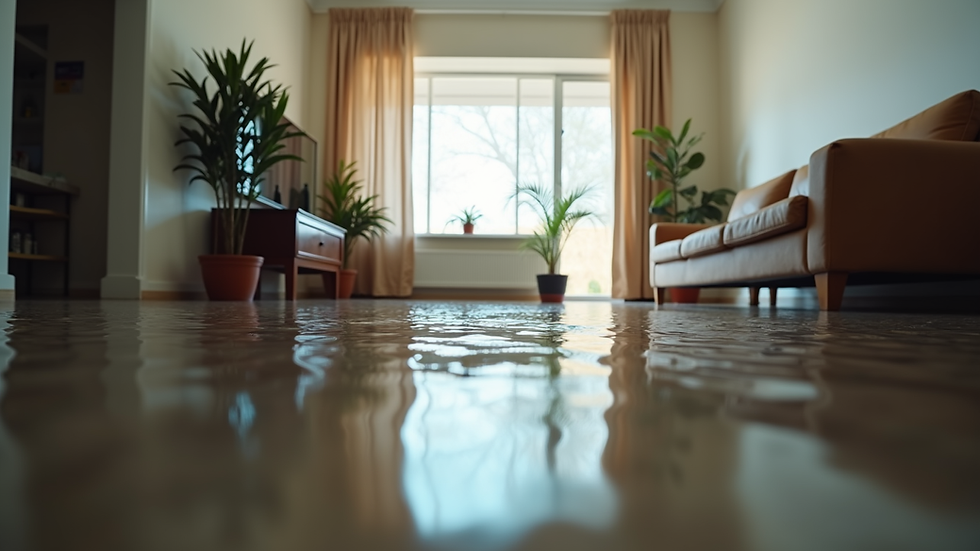
When flood damage occurs, the first step is to assess the situation. Look for standing water, damaged walls, floors, and furniture. Safety is a priority. Turn off electricity if water has reached electrical outlets or appliances. Wear protective gear if you enter the flooded area.
Flood damage repair requires both immediate action and long-term solutions. You need to remove water, dry the area, clean and disinfect surfaces, and repair or replace damaged materials. This process can be complex, but understanding the basics helps you make informed decisions.
Key Steps in Flood Damage Repair
Flood damage repair involves several important steps. Each step plays a role in restoring your property to its pre-flood condition. Here’s a clear breakdown:
Water Removal
Use pumps, wet vacuums, or buckets to remove standing water. The faster you remove water, the less damage you will have.
Drying and Dehumidifying
After removing water, dry the area thoroughly. Use fans, dehumidifiers, and open windows if possible. Drying prevents mold and mildew growth.
Cleaning and Disinfecting
Floodwater often contains bacteria and contaminants. Clean all surfaces with appropriate cleaners and disinfectants to ensure safety.
Inspecting for Damage
Check walls, floors, and furniture for damage. Look for warping, cracks, or mold. Some materials may need to be replaced.
Repairs and Restoration
Replace damaged drywall, flooring, and insulation. Repair structural elements if needed. Repaint and refinish surfaces to complete the restoration.
Preventive Measures
Consider improvements to prevent future flooding. This might include sealing cracks, installing sump pumps, or improving drainage around your property.
What does water damage restoration include?
Water damage restoration covers all the steps needed to bring your property back to normal after water intrusion. It is a comprehensive process that addresses both visible and hidden damage. Here’s what it typically includes:
Emergency Water Extraction
Quickly removing water to prevent further damage.
Drying and Dehumidification
Using specialized equipment to dry out the structure and contents.
Cleaning and Sanitizing
Removing contaminants and disinfecting affected areas.
Mold Remediation
Identifying and removing mold growth caused by moisture.
Structural Repairs
Fixing or replacing damaged building materials like drywall, flooring, and framing.
Content Restoration
Cleaning and restoring personal belongings and furniture.
Documentation and Insurance Support
Providing detailed reports and photos to help with insurance claims.
Each step is important. Skipping any can lead to ongoing problems like mold or structural weakness. Professional restoration services follow strict protocols to ensure thorough recovery.

Tips for Handling Flood Damage Repair Yourself
If you decide to tackle flood damage repair on your own, keep these tips in mind:
Act Fast
The sooner you start, the better. Water can cause damage quickly.
Prioritize Safety
Wear gloves, boots, and masks. Avoid electrical hazards.
Remove Water Completely
Use pumps or wet vacuums. Don’t leave standing water.
Dry Everything Thoroughly
Use fans and dehumidifiers. Open windows for ventilation.
Clean and Disinfect
Use bleach solutions or commercial disinfectants on all surfaces.
Check for Mold
Look for musty smells or visible mold. Address it immediately.
Dispose of Unsalvageable Items
Some materials like soaked drywall or carpet padding may need to be thrown away.
Document Damage
Take photos and notes for insurance purposes.
While DIY can save money, some situations require professional help. Extensive flooding, contaminated water, or structural damage are best handled by experts.
When to Call a Professional for Flood Damage Repair
Flood damage can be overwhelming. Sometimes, professional help is the safest and most effective choice. Here are signs you should call a restoration expert:
Water covers a large area or is more than a few inches deep.
Floodwater is contaminated with sewage or chemicals.
You notice structural damage like sagging ceilings or warped floors.
Mold has started to grow.
You have health concerns or allergies.
You want to ensure thorough cleaning and drying.
Professionals have the right tools and experience to handle complex situations. They can also assist with insurance claims and provide peace of mind.
If you want reliable, high-quality service in Maryland, DC, or Northern Virginia, consider contacting RestoreClean Pro. They specialize in emergency flood damage repair and restoration, helping properties get back to normal quickly and safely.
Protecting Your Property from Future Flood Damage
Prevention is better than repair. After dealing with flood damage, take steps to protect your property from future incidents:
Improve Drainage
Ensure gutters and downspouts direct water away from your building.
Seal Cracks and Openings
Check foundations, walls, and windows for gaps and seal them.
Install Sump Pumps
These devices help remove water from basements and low areas.
Elevate Electrical Systems
Raise outlets, switches, and wiring above potential flood levels.
Use Water-Resistant Materials
Consider flooring and wall materials that resist water damage.
Maintain Landscaping
Grade your yard to slope away from your building.
Create an Emergency Plan
Know what to do if flooding occurs again.
Taking these steps can reduce the risk and impact of future floods. It also helps protect your investment and keeps your property safe.
Flood damage repair is a critical process that requires quick action and careful attention. Whether you handle it yourself or hire professionals, understanding the steps involved helps you make the best choices. Remember, thorough drying, cleaning, and repairs are essential to prevent long-term problems. If you need expert help, trusted services like RestoreClean Pro are ready to assist you in Maryland, DC, and Northern Virginia.
For more detailed information on water damage restoration, visit their website and learn how to protect your property effectively.


Comments